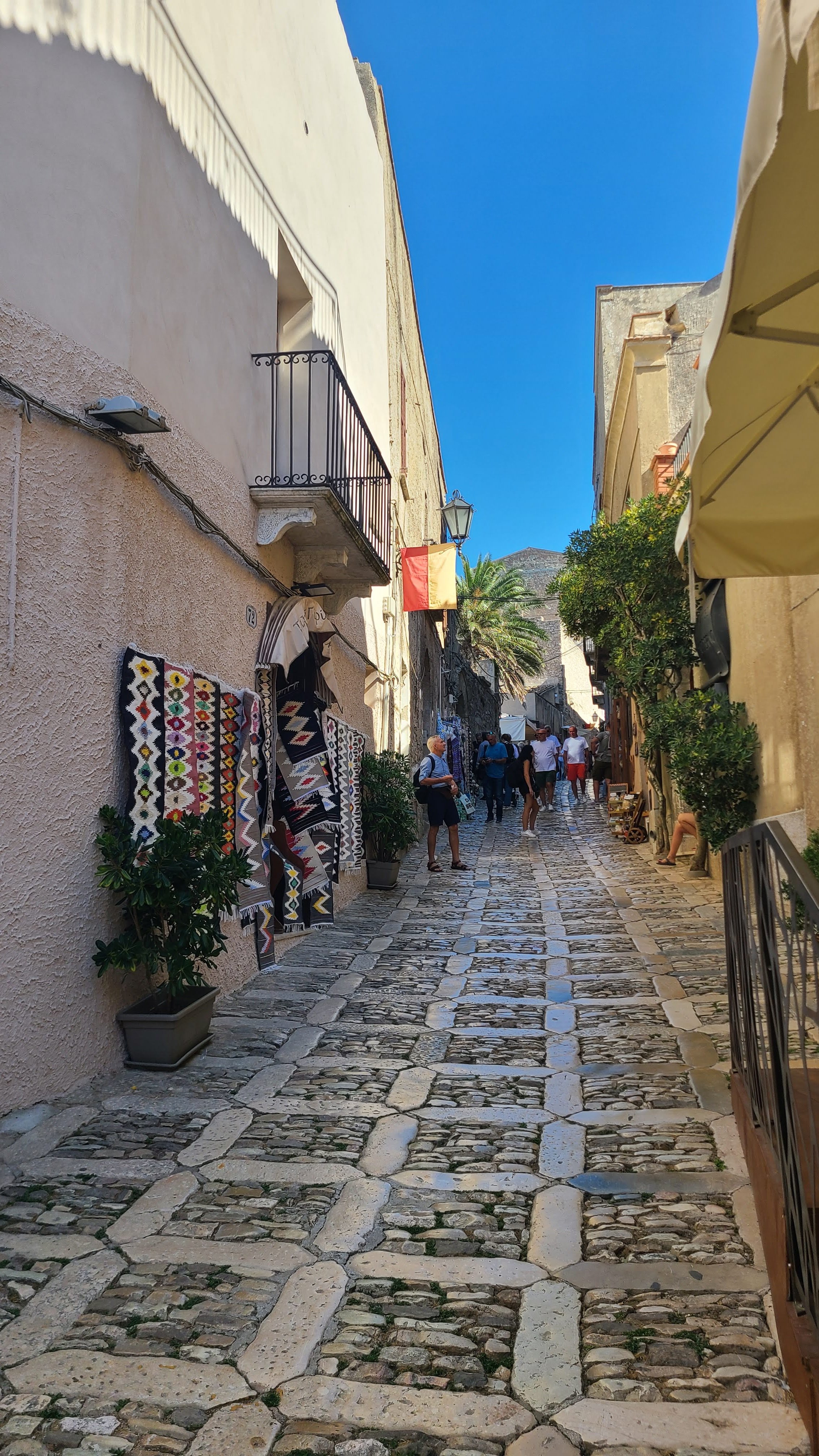
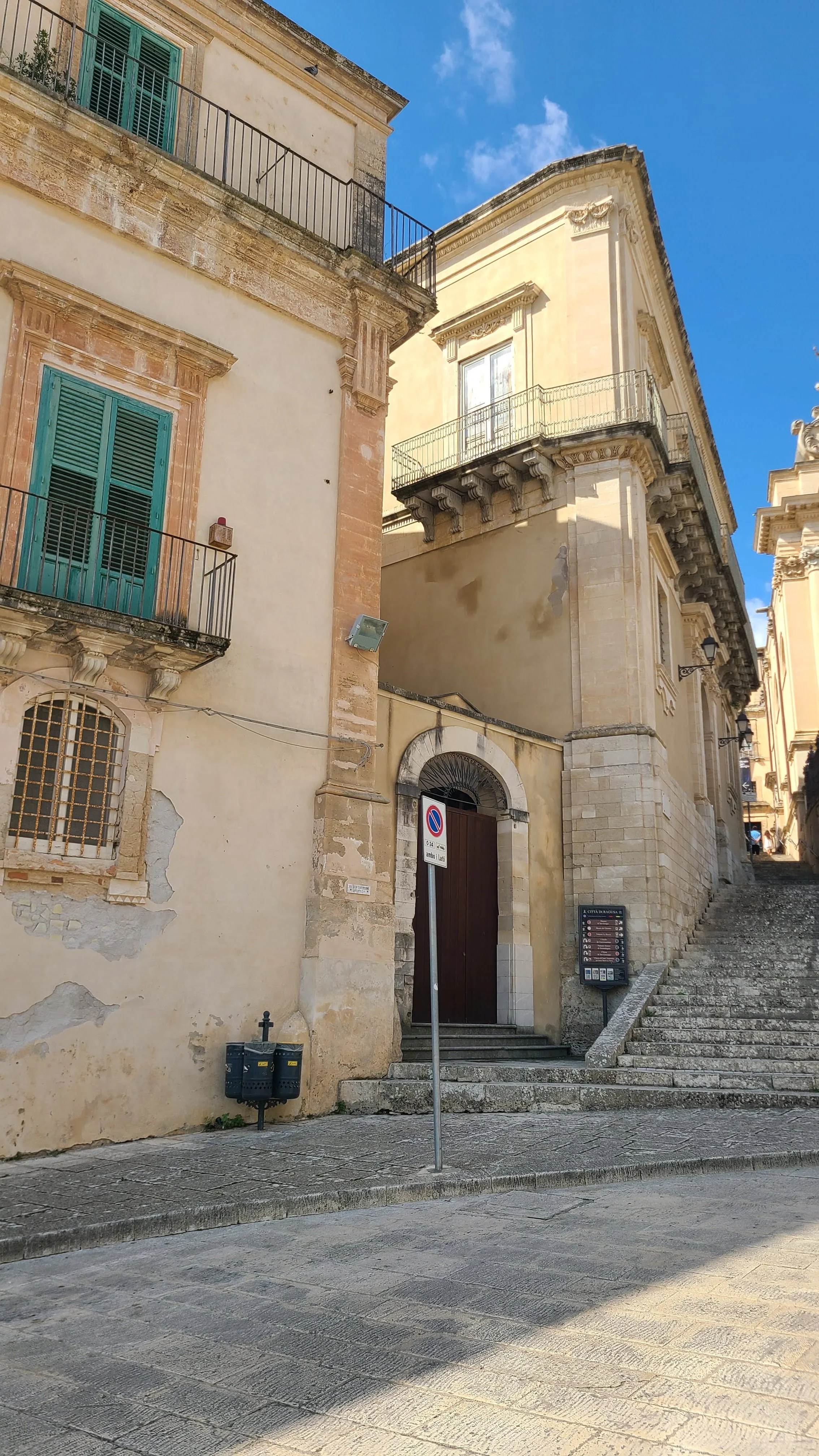
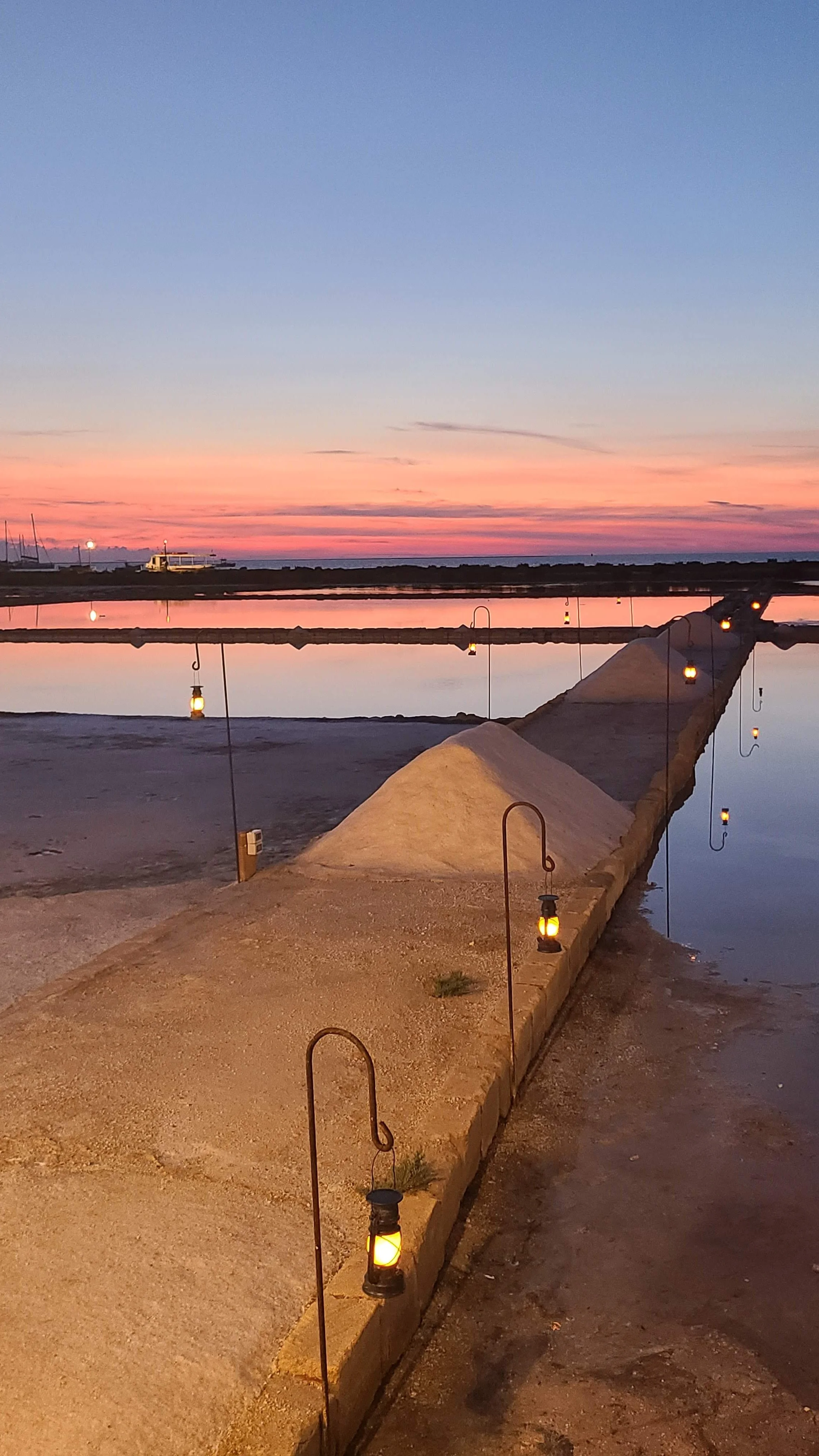
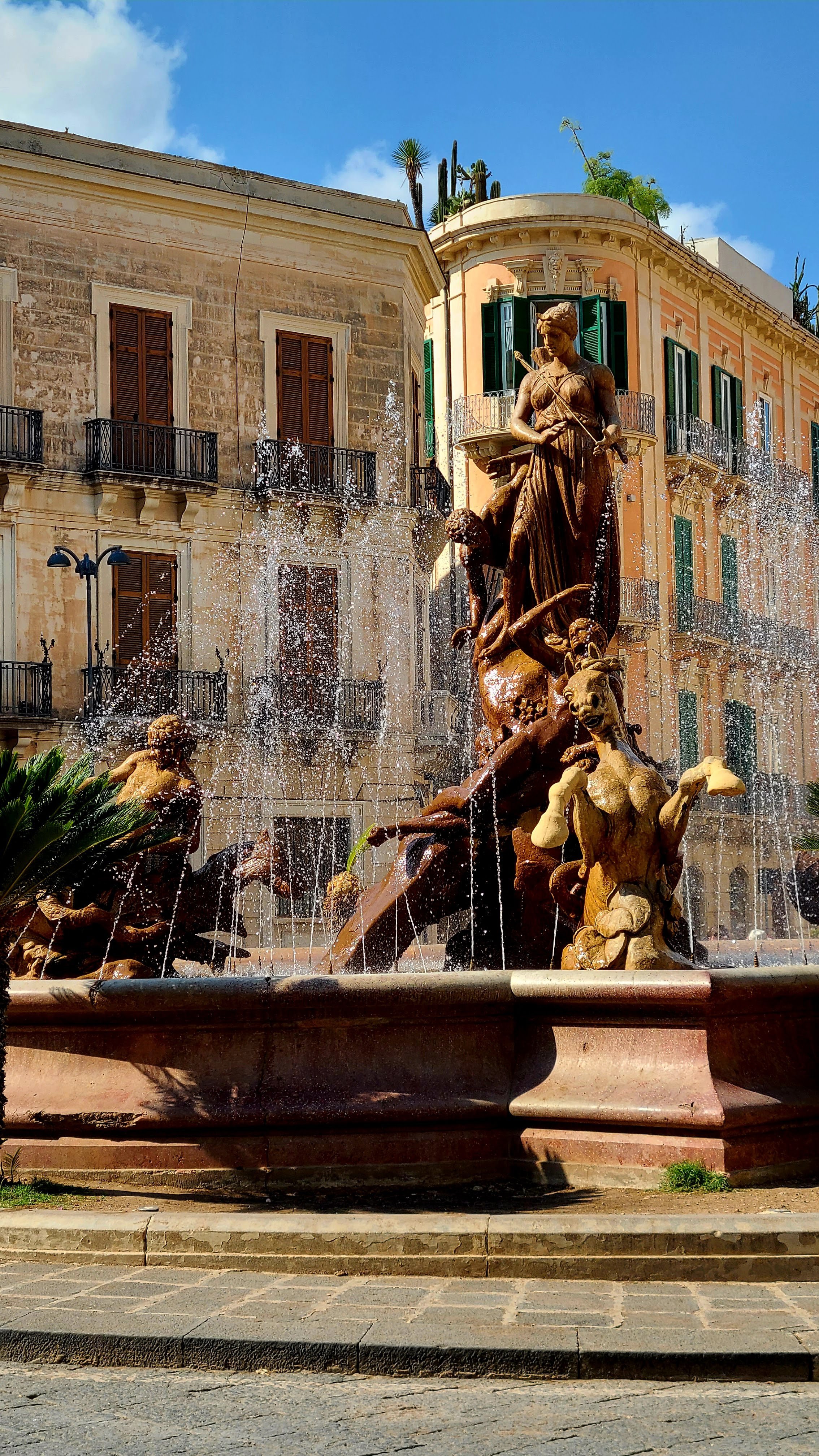
Sicily has become a more frequent request lately, and for good reason. The island offers an impressive mix of coastal towns, historic cities, exceptional food, beautiful countryside, and hotels that are destinations in their own right.
But Sicily is also a large and wonderfully varied island, and planning a trip here benefits from a little more thought than simply choosing a few well-known stops and connecting the dots. Distances can be deceiving, the regions have very different personalities, and the time of year you visit can have a significant impact on your experience.
After spending some quality time exploring the island, I came away with a few observations I'd share with anyone considering a trip. Here are five common misconceptions worth reconsidering before you book.
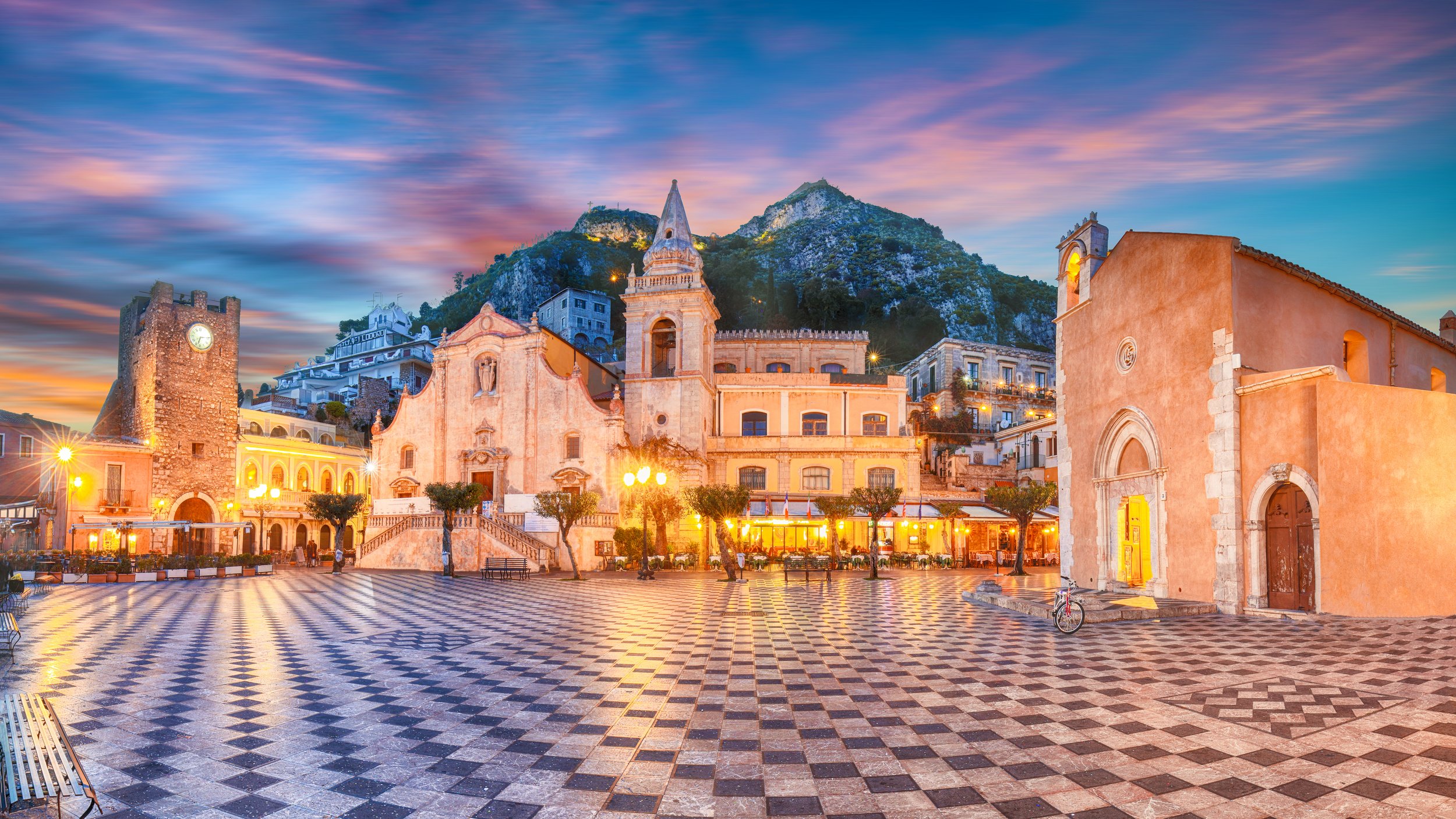
Piazza IX Aprile in Taormina, Sicily
Going Only to Taormina because you watched The White Lotus
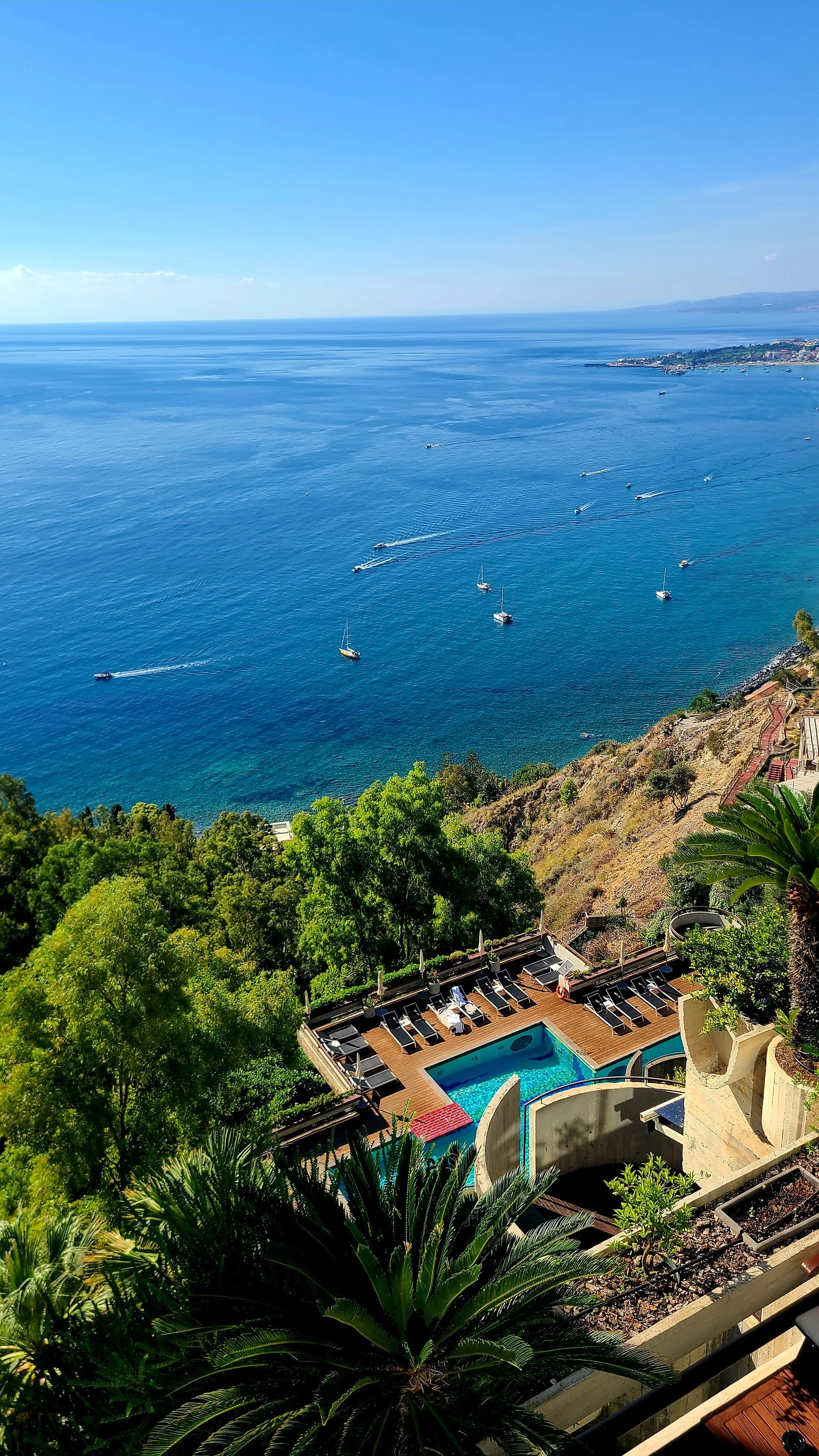
Let's start with the obvious. The White Lotus put Sicily firmly on the travel radar, and Taormina has certainly benefited from the attention. It's a beautiful town, with expansive coastal views, excellent hotels, and a dramatic setting that's hard to beat.
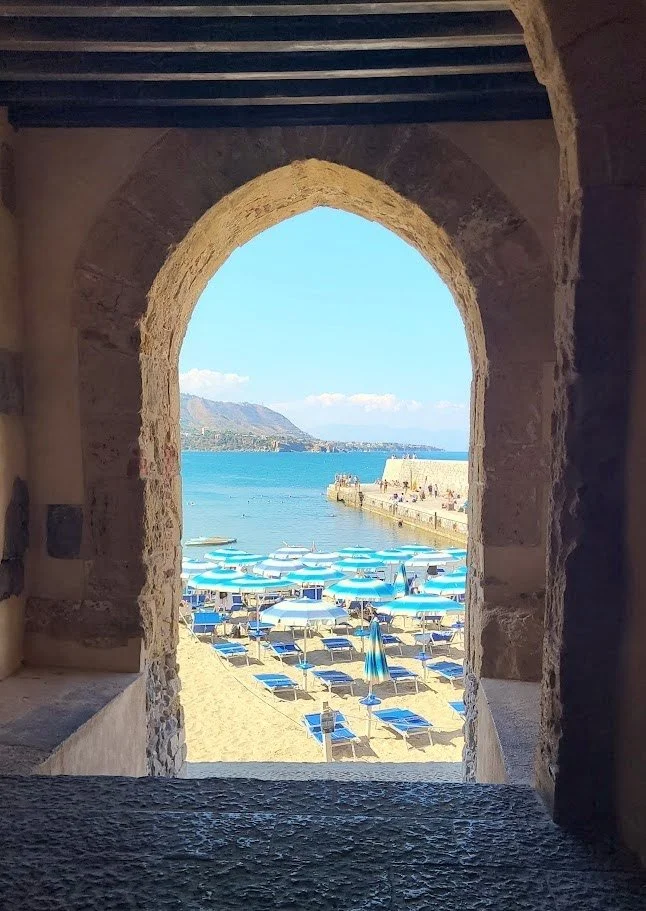
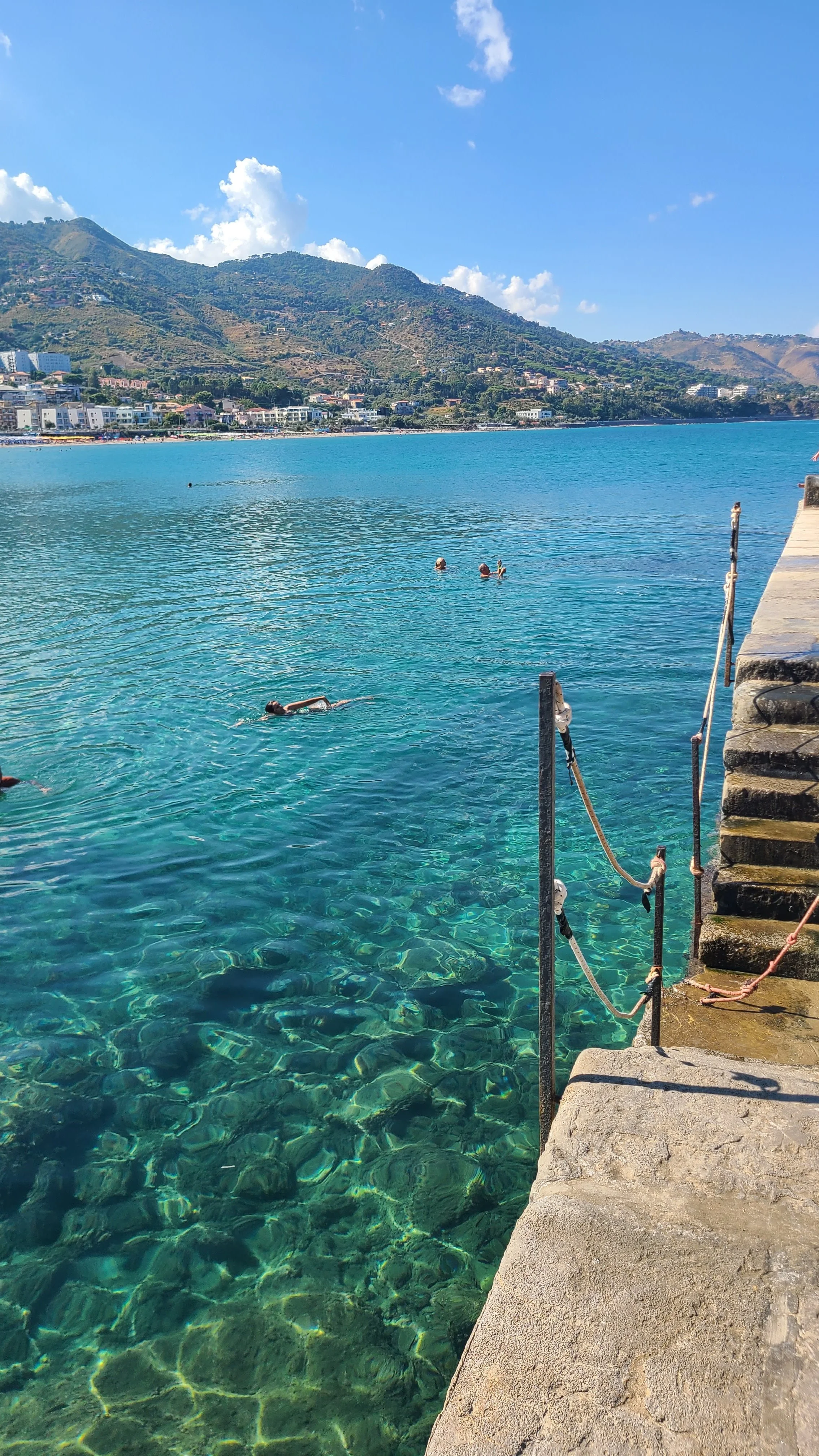
But here's the thing: the famous sandy beach scenes that bookend the series were filmed in Cefalù, on Sicily's northern coast, not Taormina. Other coastal scenes were filmed around Taormina and Giardini Naxos, but the island's scenery extends well beyond the show's most recognizable locations.
Taormina is absolutely worth considering, but it shouldn't automatically dictate your itinerary. Ortigia and the southeastern towns offer a very different experience, while the northwest has its own appeal, from Cefalù to the beaches and nature reserves around San Vito Lo Capo.
If the show sparked your interest in Sicily, consider Taormina an introduction rather than the entire itinerary.
Underestimating driving times
Sicily may look manageable on a map, but getting around can take longer than expected. The island is larger than many visitors realize, and travel times are influenced by winding coastal roads, mountain routes, traffic, town centers, and challenging parking.
A drive that looks straightforward between two destinations can easily take up a good portion of the day. And if you're changing hotels every couple of nights, those transfers can start to eat into the time you actually have to enjoy the destination.
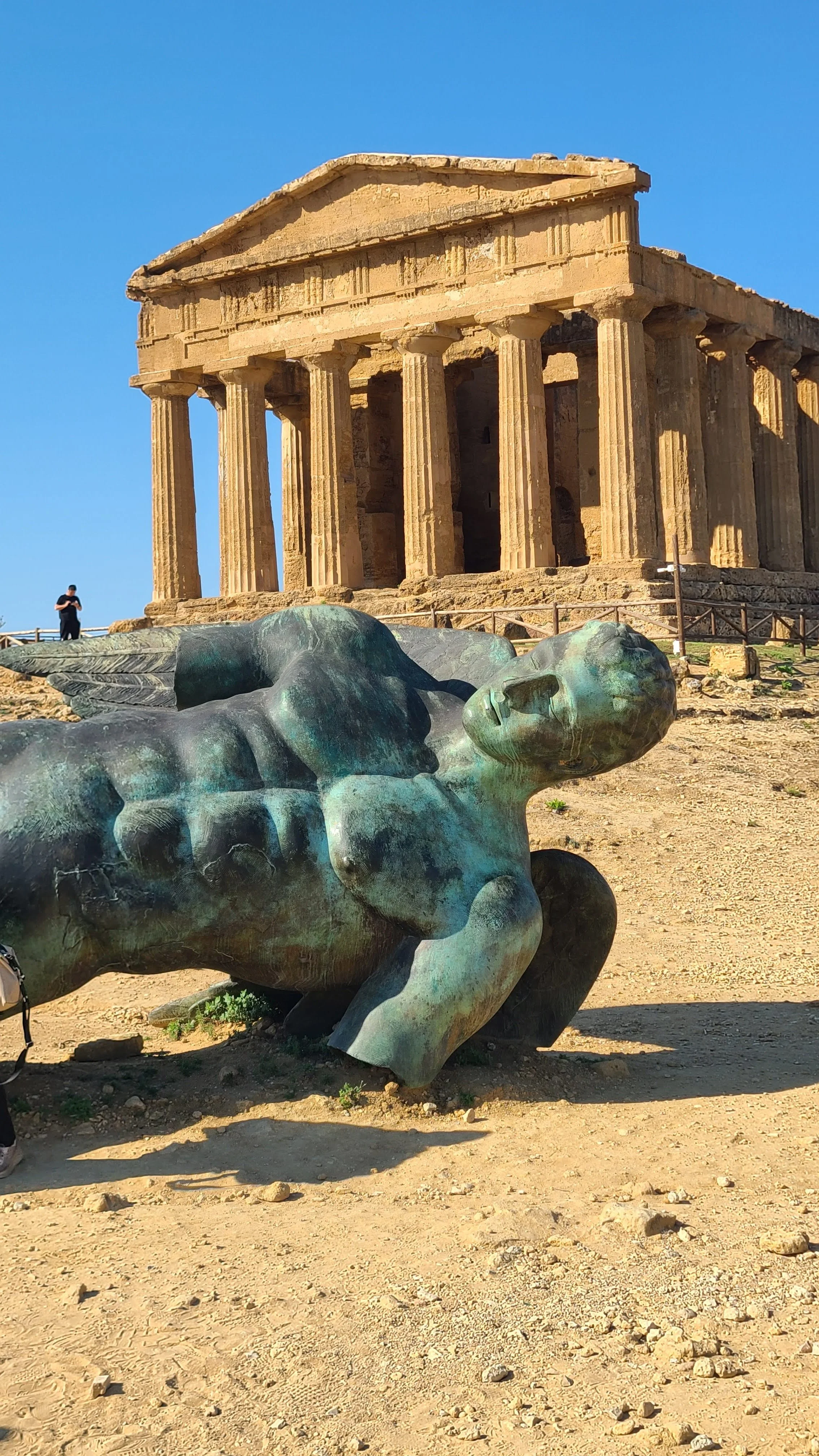
I'd resist the temptation to cover too much ground in one trip. Trying to combine Palermo, Taormina, the southeast, Mount Etna, and the Valley of the Temples into a short stay can leave you spending more time in the car than you'd like.
Instead, choose a couple of regions that make sense together and give yourself enough time in each. Or better yet - just stay longer! A rental car is useful for exploring many parts of the island, but you don't necessarily need one for every day of the trip. Depending on your route, trains and private transfers may make more sense for certain legs.
The best itinerary isn't the one that covers the most ground. It's the one that gives you time to enjoy where you've gone.
Assuming all of Sicily is the same
One of Sicily's biggest draws is its variety, but that can also make planning a little more complicated. The island's regions have distinct personalities, and choosing where to stay can shape the entire feel of your trip.
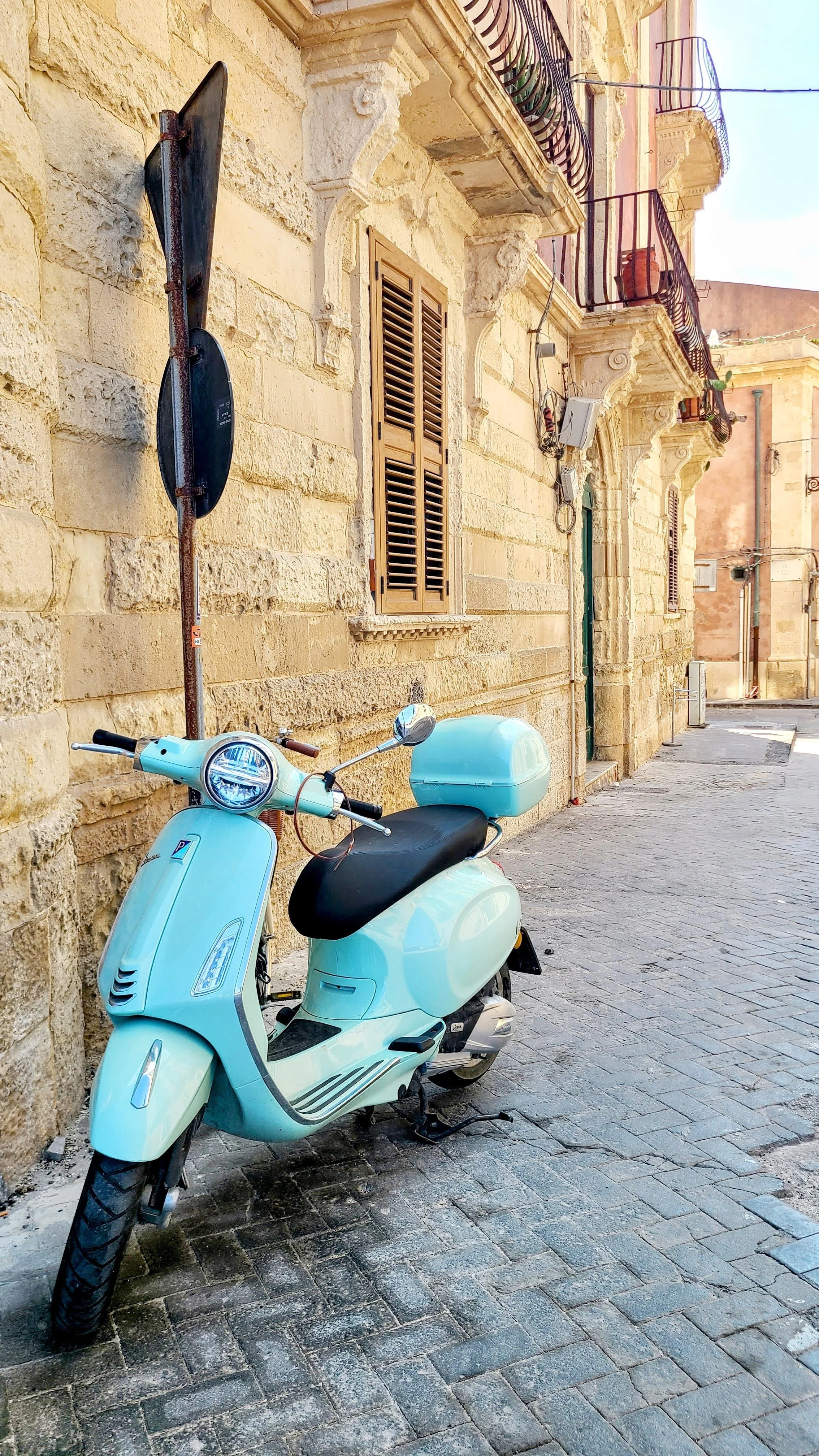
Taormina and the east coast offer dramatic scenery, resort hotels, beach clubs, and easy access to Mount Etna. In the southeast, Ortigia, Noto, Modica, and Ragusa bring together beautiful Baroque architecture, excellent food, and a slower rhythm. Palermo is a world of its own, with vibrant markets, layered history, and an energetic city atmosphere. The northwest offers a different coastal experience, with places like Cefalù and San Vito Lo Capo.
Even the beaches vary considerably. You'll find sandy stretches, pebbly coves, rocky swimming spots, and beach clubs built around platforms and ladders into the sea. If your ideal beach day involves a long sandy shoreline, it's worth being selective about where you stay.
Think about the experience you want before settling on a hotel. A beautiful property in the wrong part of the island may not deliver the trip you're imagining.
Assuming summer is automatically the best time to visit
For a traditional sun-and-swimming holiday, summer has obvious appeal. But July and August also bring the highest temperatures, biggest crowds, and peak hotel rates. Sightseeing in the middle of the day can be uncomfortable, particularly in inland towns and cities.
There is also the seasonal consideration of wildfires. Hot, dry conditions can increase wildfire risk in Sicily and across the Mediterranean. Fires are not a given on any particular trip, but they can affect air quality, road access, and travel plans, so it's worth staying informed during the summer months.
For many travelers, the shoulder seasons offer a better balance. May and June are lovely for exploring, although the sea can still be cool. September is particularly appealing if you want warm weather and good swimming conditions without quite the same intensity of peak summer. October can be excellent for food, culture, and sightseeing, although some beach clubs and seasonal businesses begin winding down.
There isn't one perfect month for everyone. The right timing depends on whether your priority is beach time, sightseeing, outdoor activities, or simply enjoying the island at a more relaxed pace.
Thinking Sicily is just a less expensive Amalfi Coast
I hear this comparison often, and while I understand where it comes from, I think it does Sicily a disservice.
Yes, both destinations offer beautiful coastlines, charming towns, excellent food, and some spectacular hotels. But Sicily isn't a budget alternative to the Amalfi Coast and it shouldn’t be approached as one.
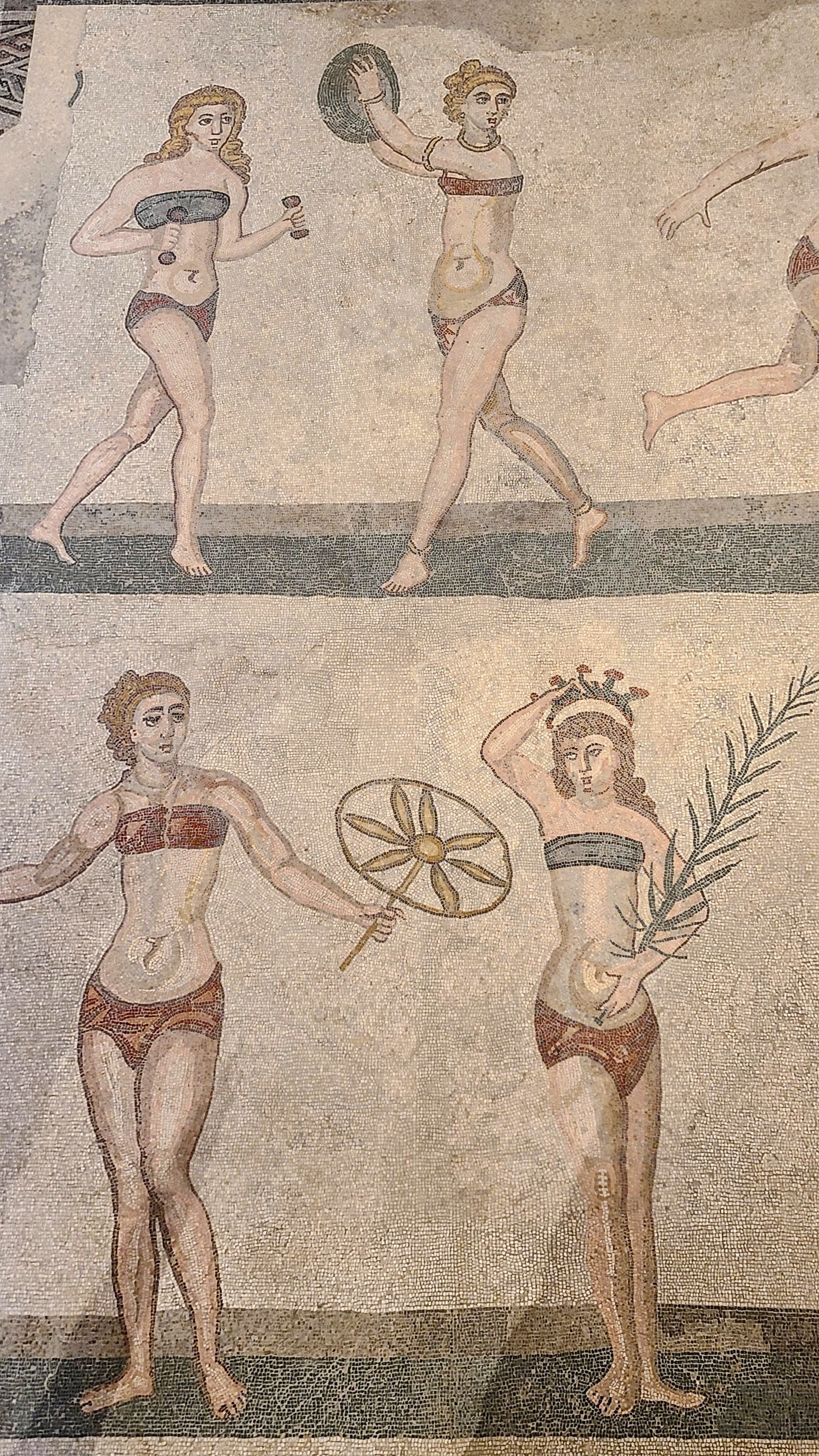
Its identity is distinct, shaped by centuries of Greek, Roman, Arab, Norman, and Spanish influence. That history is reflected in its architecture, food, markets, archaeological sites, and everyday culture. You'll find Baroque towns, ancient Greek temples, lively fishing villages, vineyards, countryside estates, and a coastline that changes character as you travel around the island.
There are certainly opportunities to find good value, but the reason to visit Sicily is not simply that it may cost less than another Italian destination. It's because there's nowhere quite like it.
A little planning goes a long way
Sicily rewards travelers who take the time to understand its geography and choose their destinations thoughtfully. You can have a completely different experience depending on which regions you visit, when you go, and how you structure your time.
My advice? Resist the urge to do it all. Choose the places that appeal to you, be realistic about travel times, and leave enough room to enjoy the places you've traveled so far to see. Stay longer than just a few days or a week.
I'd also carefully consider hotel and villa locations as home bases before building out the rest of the itinerary. Where you stay in Sicily can have just as much influence on the experience as what you do.
It's an island well worth exploring, but it deserves more than a hurried checklist.
Planning a trip to Sicily? I can help you narrow down where to go, match you with the right places to stay, and curate an itinerary that makes sense for the way you like to travel.